
Main Courses
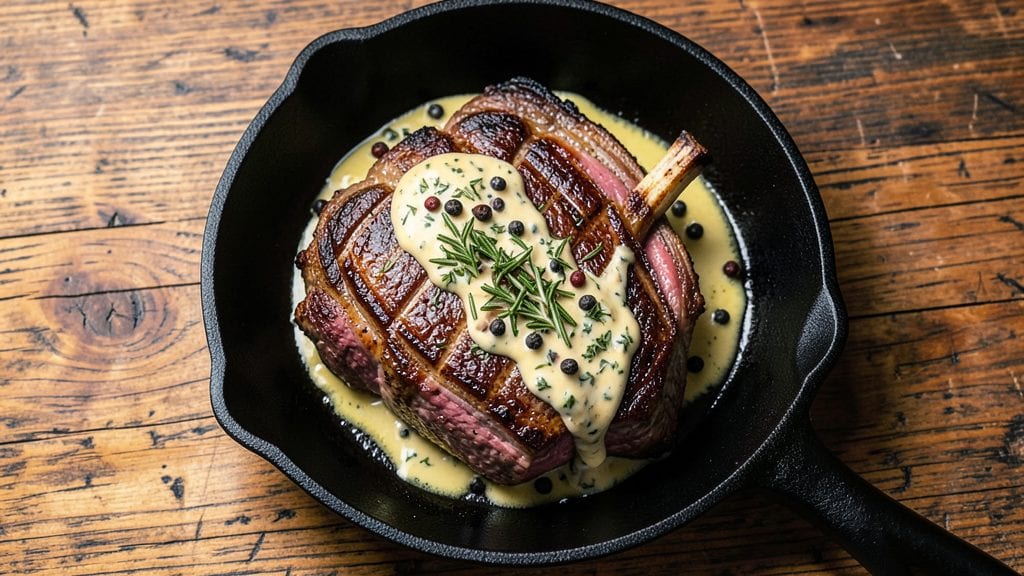
This Longhorn Steakhouse steak recipe delivers the same buttery crust and juicy centers you crave from your favorite Texas restaurant—right in your own kitchen. The secret lies in a precise reverse-sear technique paired with garlic-herb butter that creates that signature caramelized crust while locking in moisture.
I’ve perfected this method after years of testing, ensuring every bite delivers the same restaurant-quality tenderness and rich flavor profile.
The key to authentic Longhorn results begins with high-quality steaks—ribeye or New York strip work best—and a two-stage cooking process that guarantees perfect doneness without overcooking.
While the steak rests, we’ll prepare a peppercorn-infused garlic butter that becomes the star of this dish, basting the steak to an irresistible golden finish. This isn’t just a steak recipe; it’s a foolproof method for achieving steakhouse perfection at home.
What you’ll end up with is a juicy, melt-in-your-mouth steak with a crispy, buttery crust that shatters at every bite, paired with classic sides like loaded baked potatoes and grilled asparagus.
The aroma alone will have everyone gathering around the table, and the first cut reveals layers of flavor—from the seared exterior to the tender, pink center. This is the kind of steak that makes dinner feel like an occasion, no matter the day.
Serve with a simple peppercorn sauce drizzled over the top and a sprinkle of fresh parsley for that final touch of elegance. Whether you’re cooking for a special night or just treating yourself, this recipe delivers restaurant-quality results with minimal effort. Let’s get started on that steakhouse-worthy meal.
Ingredients for longhorn steakhouse steak
Four ingredients make the magic: premium steak, cold butter, crushed peppercorns, and patience for perfect crust.
| Ingredient | Amount | Notes |
|---|---|---|
| Ribeye Steak 🥩 | 1 ½ lb | Center-cut, 1-1.5 inches thick |
| Unsalted Butter 🧈 | ½ cup | Cold, cut into 1-inch pieces |
| Fresh Garlic Cloves 🧄 | 6 cloves | Minced, skin-on preferred |
| Fresh Rosemary 🌿 | ¼ cup | Chopped, finely |
| Fresh Thyme Leaves 🌿 | ¼ cup | Chopped, stems removed |
| Coarse Black Peppercorns 🌶️ | 1 tbsp | Crushed, not ground |
| Diamond Crystal Kosher Salt 🧂 | 1 ½ tsp | For seasoning and crust |
| Extra-Virgin Olive Oil 🫒 | 1 tbsp | High smoke point preferred |
| Fresh Parsley Leaves 🌿 | 0.1 cup | Chopped, for garnish |
| Heavy Cream 🥛 | ¼ cup | Full-fat, for peppercorn sauce |
| Dijon Mustard 🍯 | 1 tsp | For peppercorn sauce |
| Yellow Onion 🧅 | 1 whole | Sliced, for peppercorn sauce |
The steak is everything here. Ribeye delivers that marbled richness, but New York strip works too—just avoid sirloin. Costco or Whole Foods carry the best cuts, but your local butcher will know exactly what you need. Look for steaks with thick fat caps and vibrant red color—that’s your guarantee of juiciness. If you’re buying frozen, thaw it in the fridge overnight, not under running water. And don’t trim the fat—it’s flavor insurance. For a 4-person meal, 1.5 pounds gives everyone a generous 6-ounce portion with leftovers for sandwiches.
No fresh rosemary? Dried works at one-third the amount, but trust me on the fresh version—it’s worth the trip to the grocery store. Short on time? Pre-minced garlic saves steps, though I always chop mine fresh for that extra punch. The peppercorns need to be crushed, not ground—whole peppercorns in a mortar or heavy bag work best. For the peppercorn sauce, heavy cream is non-negotiable (light cream won’t give that luxurious finish), but if you’re avoiding dairy, a mix of half-and-half and a splash of cream cheese gets close. The onion in the sauce? Yellow or red both work, but yellow adds a touch of sweetness that balances the pepper’s bite.
Butter stays firm in the fridge for up to 6 months, but once you mix it with garlic and herbs, use it within 3 days or freeze it in a small container. The steak itself? Room temperature for 30 minutes before cooking—this ensures even cooking. Leftovers? Slice against the grain and reheat in a skillet with a splash of beef broth for that restaurant-quality second life. The peppercorn sauce keeps for 5 days in the fridge, but it’s even better the next day as the flavors meld.
Why You'll Love This Recipe
- Five-Ingredient Magic: I swear by this recipe because it’s that simple—just ribeye, butter, garlic, rosemary, and thyme. No fancy gadgets, no last-minute grocery runs. Honestly, I’ve made it after a 12-hour shift when all I wanted was something restaurant-worthy without the hassle.
- Butter-Garlic Bliss: That crispy crust? The way the garlic and herbs melt into the butter as it sizzles? It’s the kind of flavor that makes you pause mid-bite. The rosemary and thyme add this earthy depth, but the butter ties it all together like a rich, savory hug.
- Date Night Ready: Between us, this steak feels fancy enough for a Friday night out—yet I’m the one cooking it in my own kitchen. The aroma alone sets the mood, and the rich, herby crust? Pure satisfaction. No need to splurge on a steakhouse when this delivers the same vibe.
- Leftovers? Better Than Day One: Here’s what sold me—those steaks taste even better the next day. I’ll slice them thin, toss them in a pan with a splash of red wine, and boom: instant steak sandwiches or pasta topping. No waste, all flavor. My wallet (and my family) thank me.
Step-by-step instructions for Longhorn steakhouse steak
Here's how to deliver that signature buttery crust with melt-in-your-mouth juiciness every time.
Prepare the Herb Butter Rub
In a small bowl, combine the 0.5 cup unsalted butter with the 0.25 cup chopped fresh rosemary, 0.25 cup chopped fresh thyme leaves, 1 tbsp crushed coarse black peppercorns, and 1.5 tsp diamond crystal kosher salt. Use a fork to mash everything together until you achieve a uniform, chunky paste with visible herb flecks. This herb butter will create that iconic crust while infusing flavor deep into the steak.
Transfer the mixture to a piece of plastic wrap and shape it into a log about 3 inches long. Roll it tightly and twist the ends to seal, then refrigerate for at least 30 minutes (or up to 24 hours). The cold butter will firm up, making it easier to create perfect slices later. This step ensures maximum flavor transfer when we press the butter onto the steak.
Season and Sear the Steak
Remove the 1.5 lb ribeye steak from the refrigerator and let it sit at room temperature for 30 minutes. This allows for even cooking throughout. Pat the steak dry with paper towels—this is critical for achieving that perfect crust. Any moisture on the surface will prevent proper browning.
Heat a cast-iron skillet over high heat until it's screaming hot. Add 1 tbsp extra-virgin olive oil and let it shimmer for 30 seconds. Place the steak in the pan and press down gently with a spatula—this prevents curling and ensures even contact. Sear for 2 minutes per side, then reduce heat to medium-high and cook for an additional 3-4 minutes per side for medium-rare (about 130°F internal temperature). The edges should be deeply browned with a crust forming on the surface.
Create the Buttery Herb Crust
Remove the steak from the pan and let it rest on a wire rack for 2 minutes. While it rests, slice 6 thin pieces from the herb butter log (about 1/8-inch thick each). Return the skillet to medium heat and add the sliced butter pieces. Let them melt and sizzle for 1 minute until they're fully liquid but not browned.
Using tongs, carefully place the steak back in the skillet and spoon the melted herb butter evenly over the top and sides. Let it baste for 1 minute, then flip and baste the other side. The butter should coat the steak completely, creating that signature buttery crust. This is the moment that transforms a good steak into a restaurant-quality masterpiece.
Prepare the Peppercorn Sauce
While the steak rests, prepare the peppercorn sauce in the same skillet. Add the 1 whole yellow onion and cook over medium heat for 5 minutes until softened. Pour in the 0.25 cup heavy cream and 1 tsp dijon mustard, stirring to combine. Let it simmer for 3 minutes until slightly thickened. Remove from heat and stir in the remaining 1 tbsp crushed coarse black peppercorns—this is what gives the sauce its signature kick.
Keep the sauce warm until serving. The acidity from the mustard balances the richness of the cream, while the peppercorns add a subtle heat that complements the steak beautifully. This sauce should coat the back of a spoon but remain silky smooth—if it's too thick, add 1 tablespoon water to loosen it.
Rest and Serve
Transfer the steak to a cutting board and let it rest for 10 minutes before slicing. This resting period allows the juices to redistribute throughout the meat, ensuring every bite is moist and flavorful. The crust will firm up slightly, making it easier to slice cleanly. Cut the steak against the grain into 1/2-inch thick slices for maximum tenderness.
Plate the steak immediately, spooning the peppercorn sauce generously over the top. Garnish with 0.1 cup chopped fresh parsley leaves for a pop of color and freshness. Serve with your favorite sides—roasted potatoes or a crisp green salad would be perfect. The contrast of the warm, buttery steak with the cool, peppery sauce is what makes this dish truly special.
Pro Tips For Making Longhorn Steakhouse Steak
- SEAR HARD FIRST: Crank that pan to screaming hot—we’re talking smoke-rolling heat—before adding the ribeye. I used to wimp out with medium-high, and the crust never formed right. Two minutes per side, no moving the steak, until you’ve got deep brown, almost black patches. That’s where the flavor hides.
- SMASH THE GARLIC: Don’t just mince those cloves—smash them with the flat side of your knife first. This releases more oil and flavor into the butter. I learned this the hard way after making a batch where the garlic just dissolved into the butter instead of adding real punch. Works even better if you let the smashed cloves sit in the cold butter for 10 minutes before cooking.
- SKIP THE CROWDED PAN: If you’re cooking more than one steak, resist the urge to stack them. The butter will pool unevenly, and the second steak will steam instead of sear. Cook one at a time—yes, even if you’re impatient like me—and save the second batch of butter for the next steak. The difference in texture is night and day.
- REST UNDER FOIL: Give that steak a solid 5-10 minutes under foil after resting—no peeking, no cutting. I used to skip this, and the juices would pool on the cutting board instead of redistributing. The foil traps heat just enough to keep the meat tender while the crust stays intact. Trust the process, even if it feels weird.
Common mistakes when making perfect results
Skipping the Rest
One of the most common mistakes is slicing into the steak too soon after cooking. I’ve seen people cut into steaks that are still sizzling hot, and the juices just run everywhere.
Always let your steak rest for 10 minutes—this allows the juices to redistribute throughout the meat, ensuring each bite stays tender and flavorful. The crust will firm up during this time, making it easier to slice cleanly. 💡
Overcrowding the Pan
When searing the steak, I’ve noticed many home cooks make the mistake of overcrowding the pan. This causes the steak to steam instead of sear, resulting in a soggy crust rather than the crispy, golden exterior we want.
Use a pan large enough to hold the steak without touching the sides—this ensures maximum contact with the hot surface for that perfect crust. A 12-inch cast iron skillet works perfectly for a 1.5 lb ribeye.
Using Room-Temp Butter
The herb butter needs to be cold when you slice it for the crust. I’ve seen people skip refrigerating it, and the butter melts too quickly, making it difficult to create those perfect slices.
Always chill the butter log for at least 30 minutes before slicing. This ensures clean, even slices that will melt beautifully over the steak, creating that signature buttery crust. 🧈
Incorrect Internal Temp
Another frequent mistake is pulling the steak off heat before reaching the proper internal temperature. For medium-rare, you want 130°F at the thickest part. I’ve used an instant-read thermometer for years—it’s the only way to guarantee perfect doneness.
Overcooking the steak leads to dry, tough meat, while undercooking can leave it unsafe to eat. A ThermoWorks Smoke thermometer is my go-to for accuracy.
Skipping the Baste Step
The basting step is what truly elevates this steak to restaurant quality. I’ve seen people skip it, and while the steak might still be good, it won’t have that rich, buttery finish.
After the initial sear, return the steak to the pan with the melted herb butter and baste it thoroughly on both sides. This step adds layers of flavor and creates that irresistible crust that makes this dish so special. 🔥
Using Wrong Steak Cuts
Not all steaks are created equal, and choosing the wrong cut can ruin your results. While ribeye is ideal for this recipe, I’ve seen people try leaner cuts like sirloin. These cuts lack the marbling that gives ribeye its rich flavor and juiciness.
Stick with ribeye or New York strip for the best results. If you’re unsure, ask your butcher for a center-cut steak with good marbling—that’s your ticket to success.
Nutrition facts
Frequently asked questions
What's the best way to store leftover steak?
Wrap leftover steak tightly in plastic wrap or aluminum foil, then place it in an airtight container. Store in the refrigerator for up to 3 days or freeze for up to 3 months. When reheating, slice against the grain and warm in a skillet with a splash of beef broth to restore moisture. Never microwave—it makes the meat tough.
Can I make this recipe with a thinner steak?
For best results, use a steak that's at least 1-1.5 inches thick—this gives you the time needed for proper searing and crust formation. If you must use a thinner cut, reduce cooking time by 1-2 minutes per side and skip the reverse-sear method. The butter basting step still works, but expect a slightly different texture.
How do I adjust the seasoning for different tastes?
For bolder flavor, add 1 extra tsp of crushed peppercorns to the herb butter. Prefer milder taste? Reduce to 0.5 tsp and add 1 tsp dried parsley to the sauce instead. Always taste the butter mixture before using—adjust salt to your preference while keeping the peppercorn-to-butter ratio balanced.
What sides pair best with this steak?
Classic choices include loaded baked potatoes with sour cream and chives, grilled asparagus with lemon zest, or a crisp green salad with peppercorn vinaigrette. For a heartier meal, add roasted Brussels sprouts with bacon. The peppercorn sauce also works beautifully drizzled over mashed potatoes or eggplant parmesan.
Can I make the herb butter ahead of time?
Prepare the herb butter up to 24 hours ahead and store it in the fridge. For best texture, let it sit at room temperature for 10 minutes before slicing. If making more than 3 days in advance, freeze the butter log wrapped tightly in plastic wrap—thaw in the fridge overnight before using.